Why Investors Don't Invest in Businesses , They Invest in the Future (And What That Means for Crypto)
Written by the Derpy Dave Community
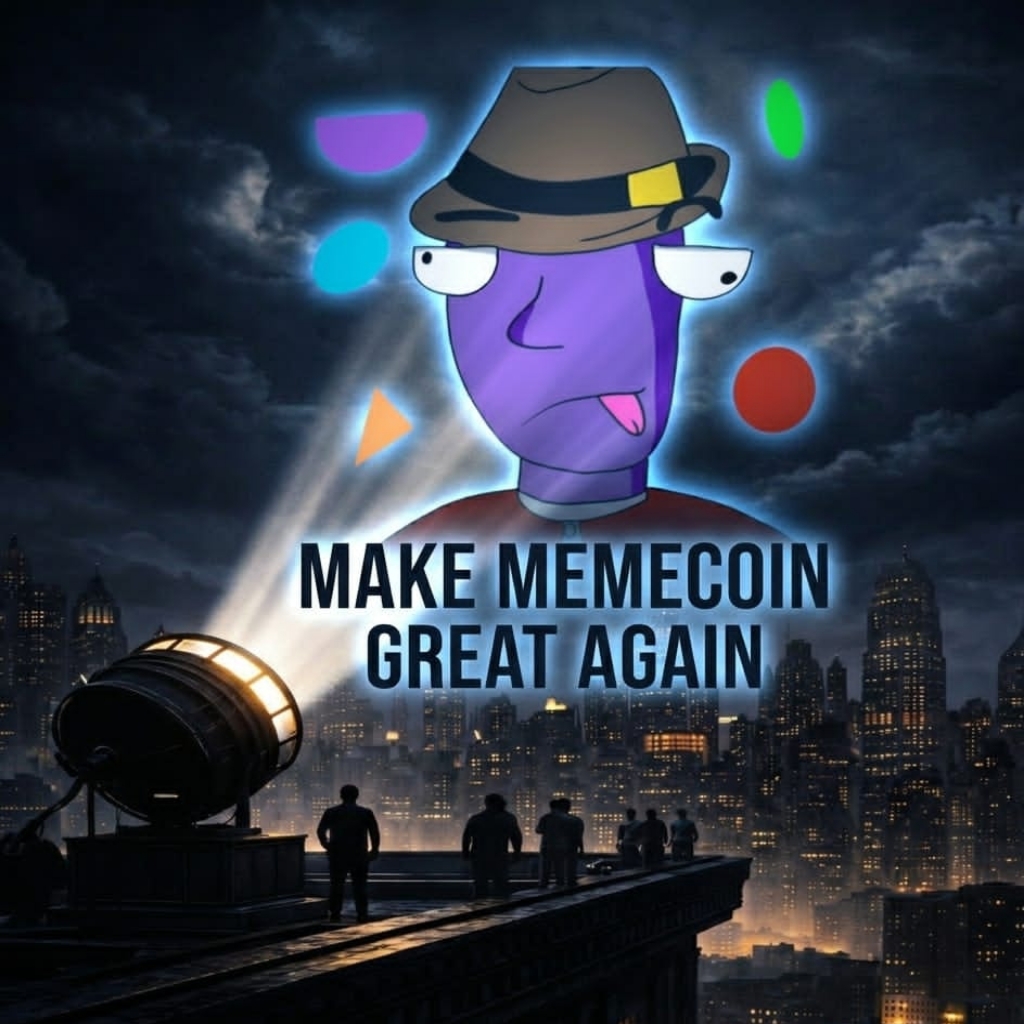
Nobody ever got rich betting on yesterday.
That's not a hot take. It's the single most consistent pattern across every asset class, every decade, and every market cycle in modern history. The best investors on the planet don't look at what something is. They look at what something is becoming.
And once you understand that, the way you evaluate everything , stocks, startups, crypto, and yes, community-driven tokens , changes permanently.
TL;DR , Key Takeaway: The greatest investments in history weren't made on balance sheets , they were made on belief. Amazon, Tesla, DOGE, and Pudgy Penguins all looked "irrational" before they looked inevitable. The real investment philosophy isn't about current utility; it's about cultural momentum, narrative power, and future potential. Projects like $DERPYDAVE on Solana embody this thesis: build the brand, grow the tribe, and let the value follow.
What Investors Actually Look For (Hint: It's Not Revenue)
Ask a first-year finance student what investors look for, and they'll say revenue, margins, EBITDA. Ask someone who's actually deployed capital into generational winners, and you'll hear a completely different vocabulary: narrative, conviction, cultural relevance, founder obsession, community density.
Warren Buffett didn't buy Coca-Cola because of its quarterly earnings. He bought it because he understood the brand was woven into the fabric of American culture , and that fabric wasn't going anywhere. Peter Thiel didn't write Facebook a $500,000 check because it had a business model. It didn't. He invested because he saw a future where human identity would live online.
The pattern is always the same: smart money invests in the future, not the present.
The Amazon Lesson Every Crypto Investor Needs to Hear
Amazon didn't turn a meaningful profit for nearly a decade after its IPO. Wall Street analysts roasted Jeff Bezos quarterly. "Online bookstore" was used as a punchline.
But a specific group of investors saw something different. They saw infrastructure being built. They saw a flywheel , logistics, data, customer obsession , that would compound over time. They weren't buying a bookstore. They were buying the future of commerce.
Tesla followed the same playbook. In 2017, it had a market cap larger than Ford while producing a fraction of the vehicles. Traditional analysts called it insanity. Investors who understood narrative, brand, and future positioning called it obvious.
The lesson? What investors look for in projects isn't what exists today. It's the trajectory, the vision, and the community willing to build toward it.
Why This Investment Philosophy Applies to Crypto
Now bring that framework into crypto, and things get really interesting.
When Dogecoin first gained traction, the "serious" crypto crowd dismissed it. No smart contracts. No DeFi utility. No roadmap. Just a dog and a community that wouldn't shut up about it. Today, DOGE has a market cap in the billions. Not because of its technical architecture, but because of cultural momentum , the most underrated asset class in existence.
PEPE repeated the pattern. No VC backing. No token utility white paper written by a Stanford PhD. Just a meme that resonated with millions of people and a community that turned inside jokes into market-moving energy. Then look at Pudgy Penguins , a project that went from "dead NFT collection" to a legitimate consumer brand with toys in Walmart. They didn't pivot to utility. They doubled down on brand and culture. And the market rewarded them for it.
This is the investment thesis that most people still don't understand: culture compounds. Community compounds. Brand recognition compounds in ways that utility tokens never could. And in a market driven by attention and narrative, those assets are worth more than a whitepaper full of promises.
The Formula Smart Money Actually Uses
So what does future value investing in crypto actually look like? It comes down to five things you can evaluate right now.
First, narrative strength , does the project tell a story people want to be part of? Then there's community conviction , are holders building, or just waiting to dump? You want to look at cultural stickiness , will people remember this in six months? Two years? Consider brand extensibility , can this become more than a token? And finally, underdog energy , is there authentic momentum from people who genuinely believe?
If you're checking those boxes, you're not gambling. You're front-running culture.
Why $DERPYDAVE Is the Case Study for Future-Focused Investing
This is where I'll be direct, because I think @being_derpyaf and the $DERPYDAVE movement on Solana are a textbook example of what this investment philosophy looks like in practice.
Derpy Dave isn't pretending to be a DeFi protocol. It's not faking utility to justify a valuation. Instead, it's doing something harder and more honest: building a cultural brand from the ground up, with zero dev wallets and 100% community ownership.
The thesis is dead simple: "Underestimated. Unstoppable."
It's a project for people who trip over air, still get up, and end up owning the room. That's not just a tagline , it's an identity that millions of people relate to. And identity is the most powerful brand moat that exists.
Look at what the Derpy Dave community is actually doing. They're buying and burning supply at current market cap levels to prove long-term commitment. They're building lore and narrative , the underdog story isn't manufactured, it's being lived in real time. There's an NFT collection in the works with community-only benefits, extending the brand beyond the token itself.
That brand extensibility isn't accidental, it's the same IP-first strategy that turned Pudgy Penguins into a billion-dollar cultural force. And the growth is happening organically through content, community calls, and genuine engagement , not paid shills or influencer campaigns.
This is exactly the playbook that turned DOGE from a joke into a juggernaut and Pudgy Penguins from a punchline into a household name. The difference? $DERPYDAVE is doing it at the ground floor, on Solana, with the kind of raw community energy that can't be bought or faked.
When the team says "this MC is gonna be the story we tell our kids one day" , that's not copium. That's conviction. And conviction, historically, is the single best predictor of asymmetric returns.
The Uncomfortable Truth About "Safe" Investments
Here's what the traditional investment crowd won't tell you: playing it safe is the riskiest strategy in a paradigm shift.
Every generational wealth-creation event , the internet, social media, smartphones, crypto , looked reckless to the people who couldn't see the future. The people who called Amazon overvalued at $5 thought they were being prudent. They were being blind.
The same dynamic is playing out in crypto right now. The projects that look "too early" or "too meme-y" are often the ones building the deepest community moats. Because in Web3, community isn't a marketing strategy. Community IS the product.
The Bottom Line: Invest in What's Becoming, Not What Is
The best investment philosophy for crypto , and frankly, for any asset class , comes down to one question:
"Is this project building something that will matter more tomorrow than it does today?"
If the answer is yes, and the community is real, and the narrative resonates beyond a small echo chamber , you're looking at future value, not current hype.
That's the lens I use. That's the lens the smartest investors in history have used. And that's why grassroots projects like $DERPYDAVE deserve a closer look , not because of where they are, but because of where they're going.
Join the Derpy Dave Community
We're building something different here, a tribe of underdogs who show up whether the chart is green, red, or completely sideways. No paid shills. No empty promises. Just real people who understand that culture outlasts hype, and community beats everything.
Here's where you'll find us:
🌐 Website & Hub: derpydave.xyz , Start here for the full story, roadmap, and project updates
🐦 Daily Vibes on X: @Being_DerpyAF , Memes, market takes, and real-time community energy
💬 Telegram (The Derpy Den): t.me/derpyden , Weekly sessions, daily discussions, and direct community access
💬 Discord Strategy Hub: discord.gg/WvdcD6aVps , Deep dives, holder AMAs, and community governance
📢 Reddit Community: r/derpydaveofficial , Longer discussions, research threads, and community stories
The derpy shall inherit the earth. We're just getting started. 🟣
Disclaimer: This article is for informational and entertainment purposes only and does not constitute financial advice. Always do your own research before making any investment decisions. Cryptocurrency investments carry significant risk.
*

Written by the Derpy Dave Community
The voice behind $DERPYDAVE , a community-driven meme coin on Solana building a real IP from the ground up. 100% community-owned, no dev wallets.
@Being_DerpyAF